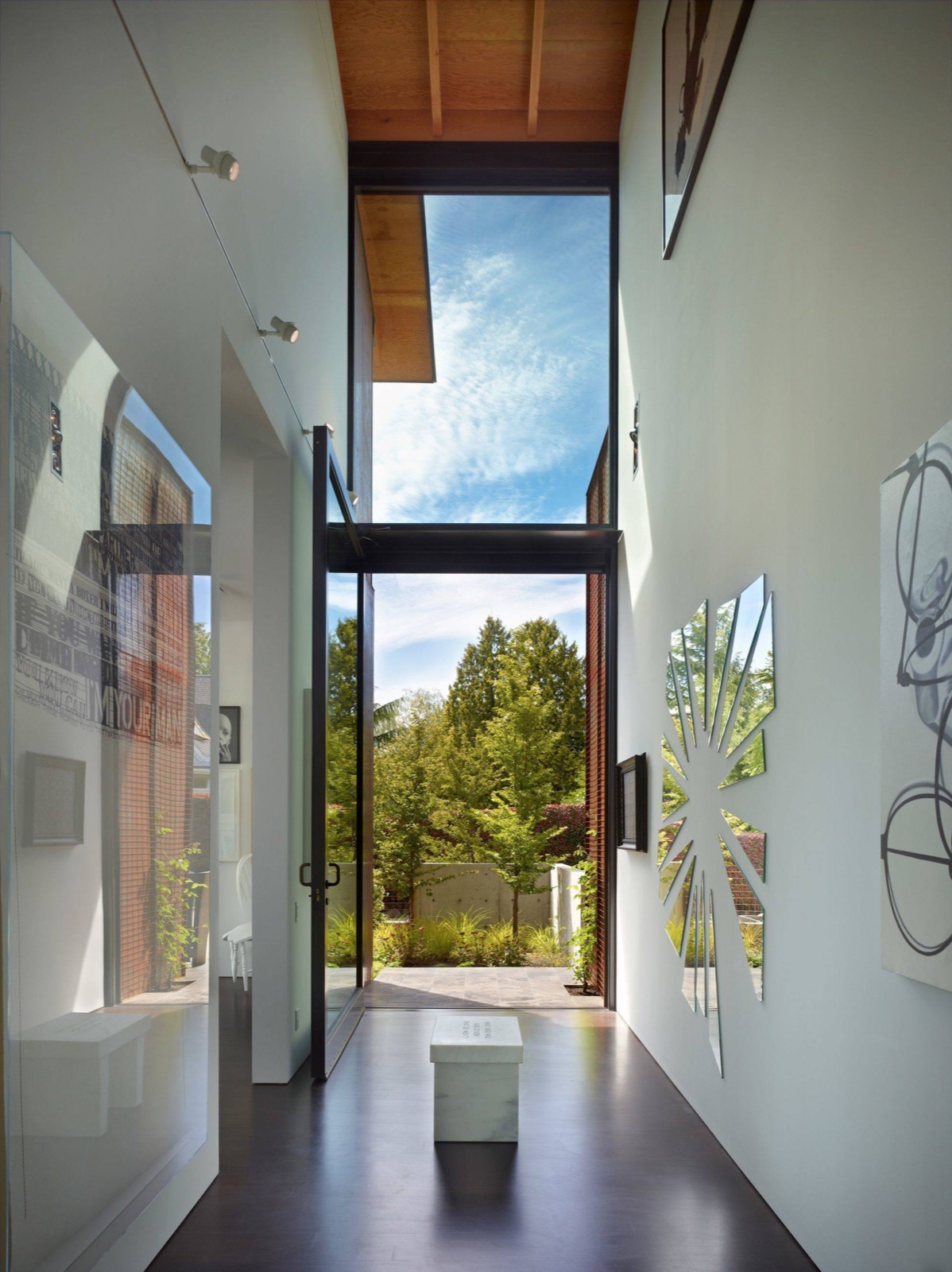
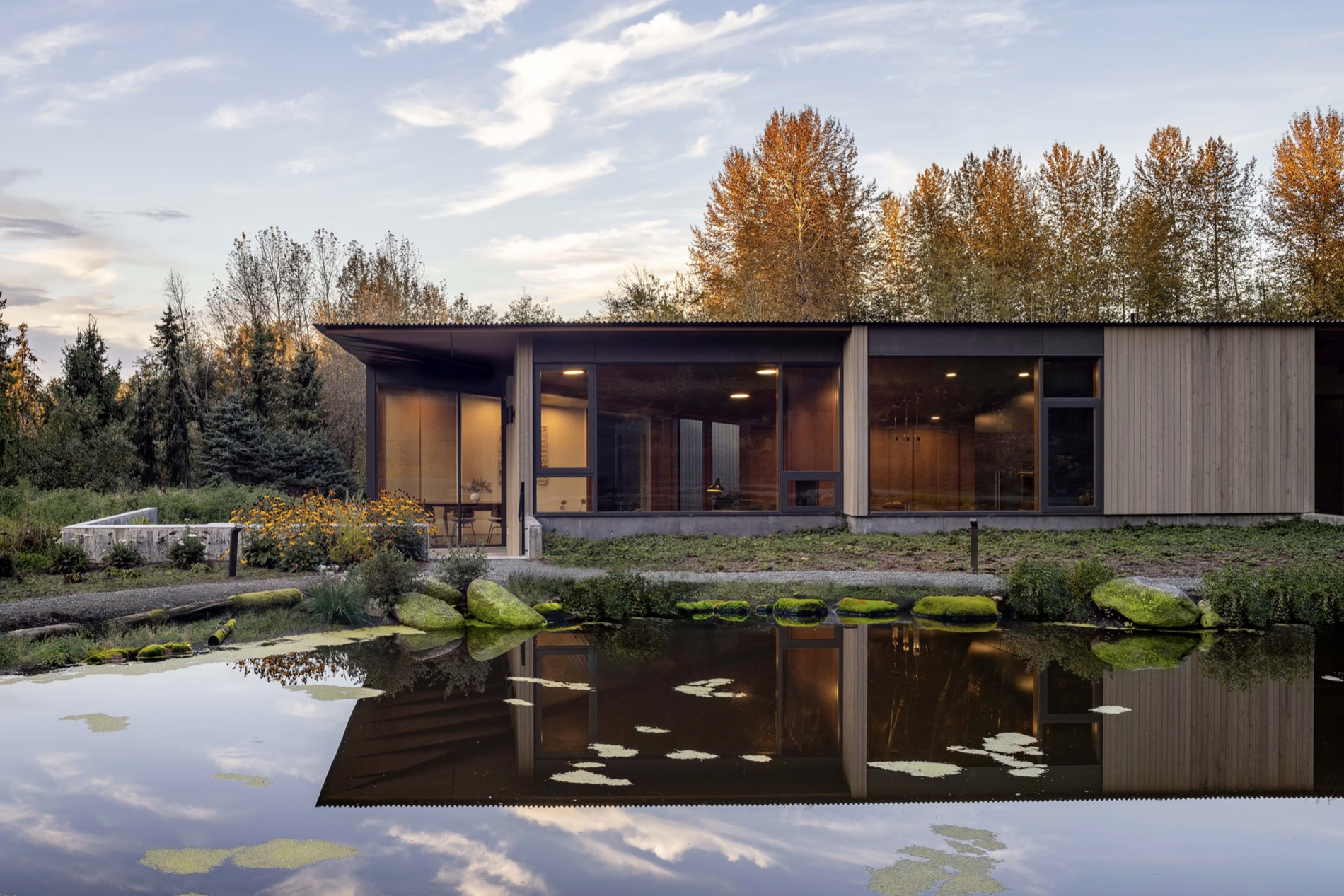
Twenty-five carpenters building interior finish work in the classical grammar — and treating wood as what it is: the oldest craft, and the most modern answer to how we ought to build.
The Studio
We build an interior the way a sentence is built — from a grammar older than the language that uses it.
A cornice, a casing, a run of base — each carries a proportion first drawn in stone three thousand years ago. Learn that grammar and a molding stops being decoration; it becomes an argument about weight, light, and shadow, made in wood. We build for general contractors and designers who want that argument made correctly.
The hand keeps a long memory. The joints we cut, the way a scribe follows an old plaster wall, the order in which a room is assembled — these are inherited, refined jobsite by jobsite. Craft is not nostalgia here; it is the most reliable route to work that will still be worth keeping in a hundred years.
And wood is the rare material that answers to the future as well as the past. It grows back. It stores carbon for as long as the building stands. Detailed thoughtfully, a room can be taken apart and built again. Finish carpentry, of all trades, is positioned to lead construction into a circular economy — and that is the work we intend to lead.
Proportion, and the classical grammar behind a molding. Why a cornice is sized the way it is, how the five orders still govern a well-drawn casing, and what a carpenter sees that a catalog does not.
Joinery, and the long memory of the hand. The historical techniques — scribing, coping, the logic of assembly — that still drive contemporary process on every jobsite we run.
Wood, renewed: the carbon a finished room stores, the working forests that milling well helps fund, and the details that let a building be unbuilt and built again. How finish carpentry reinvents itself inside a circular economy — and why it is the trade best placed to lead.